
Scaling a Premium Fashion Brand to the US
An eight-month growth engagement taking Diya Diya, a premium fashion label from India, to US buyers. $48.3K of ad spend was followed by $387.7K in revenue: an 8× blended return across paid, organic and creator channels.
- Blended return on ad spend
- 8×
- Revenue generated
- $387.7K
- Total ad spend
- $48.3K
- India → United States
- 8 months
Revenue is blended across paid, organic and creator-driven sales over the eight-month engagement.
In short
A premium product with a store, a market and a budget that weren't yet ready to convert US buyers. We built the foundation first, created demand through creators and organic content, validated with paid media, and only then scaled spend.
“We don't pay to send traffic to a business that isn't ready to convert. We build the foundation first, then accelerate it with paid media.”
pSkyro Labs
Where the brand started
Website
The experience wasn't built for a premium US audience: landing pages weren't optimised for conversion, and trust signals and product storytelling were weak.
Brand presence
Limited social presence and awareness, inconsistent messaging and little organic reach in the US.
Creative
No UGC library, no proven ad creative, no creator ecosystem and no structured content strategy.
Infrastructure
Limited Meta pixel learning, no validated audiences, a small budget with no scalable account structure, and no collaboration or influencer strategy.
How the eight months ran
Months 1–2 · Foundation
Customer journey rebuilt, landing pages optimised and trust elements strengthened. Premium, US-focused social presence and a consistent visual identity. First organic content and UGC library, a creator roadmap, and Meta pixel, events and GA4 verified. Monthly ad spend: $300–$400.
Months 3–4 · Paid validation
CPCs were too high and CTR was below target, so we paused five campaigns rather than spend inefficiently, restructured the account, rebuilt creative and shifted budget toward organic demand. The KPI in this phase was learning, not revenue: CTR, hook rate, video views, add-to-carts and landing-page views.
The turning point · Creative and creators
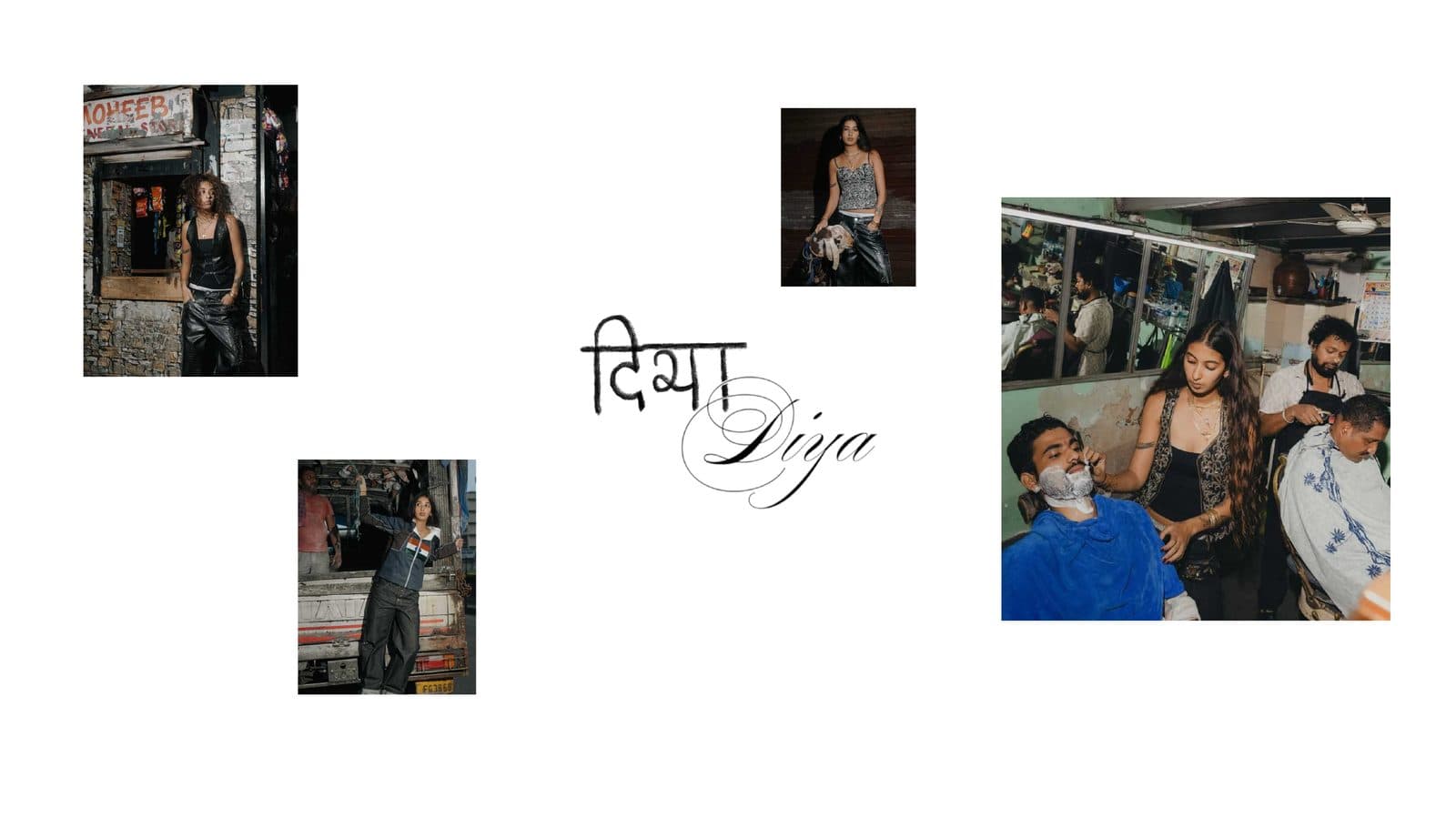
Editorial ramp-walk creative set the brand apart from standard product photography. We partnered with fashion models and creators matched to the ideal customer, and gifted product to small and mid-sized creators for authentic content instead of paying for sponsorships. The ramp-walk assets became the top-performing ads.
Months 4–6 · Optimisation
Hooks, formats and edits ranked on hook rate and hold rate; validated US segments consolidated into scalable structures; converting creators re-engaged for repeat drops; spend moved weekly to the assets and audiences carrying return; conversion fixes on product pages, checkout and mobile. ROAS stabilised.
Months 7–8 · Scaling
Higher budgets, more creative and a wider creator roster scaled spend and revenue together.
Challenges and how we solved them
| Challenge | Response |
|---|---|
| No brand awareness in the US | Collaborations with creators and models matched to the ideal customer |
| No trust at a $200+ price point | A UGC library, stronger site trust signals and social proof |
| Unsustainable CPCs on early campaigns | Paused spend, rebuilt creative and grew demand organically first |
| Creative fatigue at higher spend | New hooks and a continuous editorial content pipeline |
| Positioning built for the wrong market | Messaging rewritten for a US premium audience |
Visit the store ↗Instagram ↗(Diya Diya)

We get paid only when you get paid.
Want numbers like these? Our fee is tied to the revenue your campaigns generate. Book a free 30-minute strategy call.